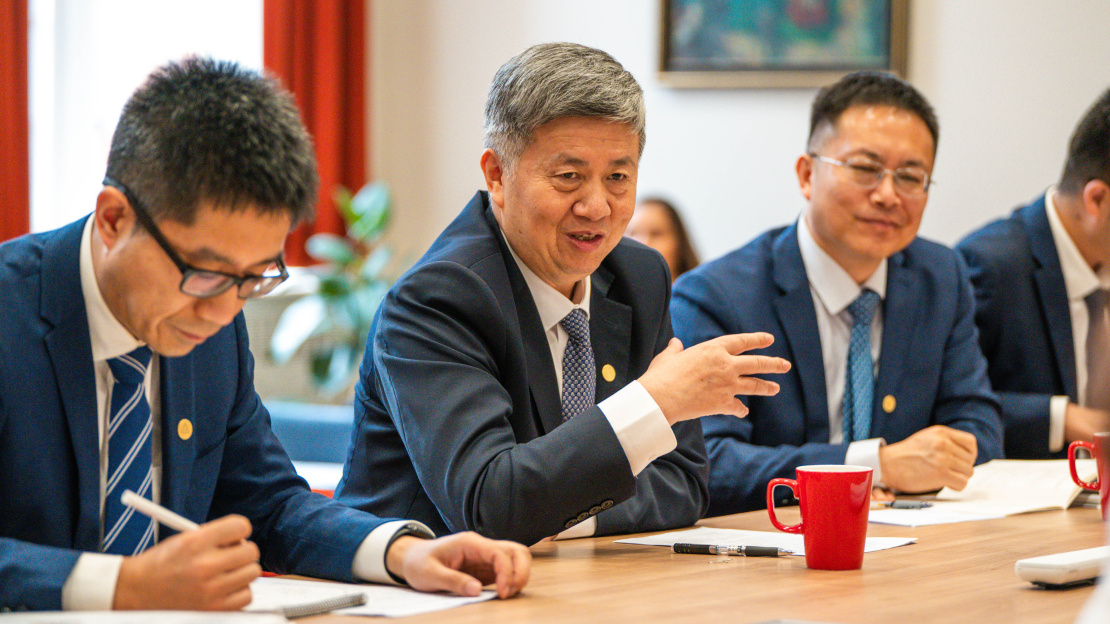
Booking a photographer for a company event is a different job from booking one for a wedding or a portrait. You're buying usable assets on a deadline, often for press and social media.
At a glance
- Look for someone who shoots events specifically — not a generalist with one event in their portfolio.
- Ask to see a full event gallery, start to finish, not a handful of highlights.
- Check turnaround — if you need images for press or social the same day, say so up front.
- Confirm the practical things: insurance, backup equipment, and how you receive and license the images.
1. Check they actually shoot events
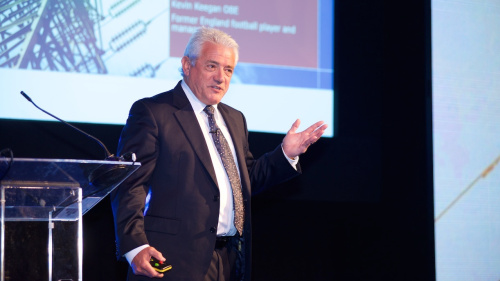
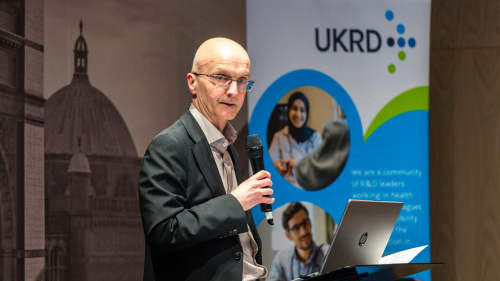
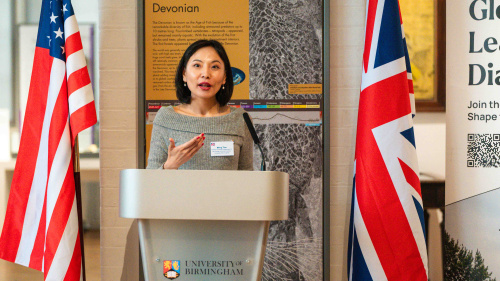
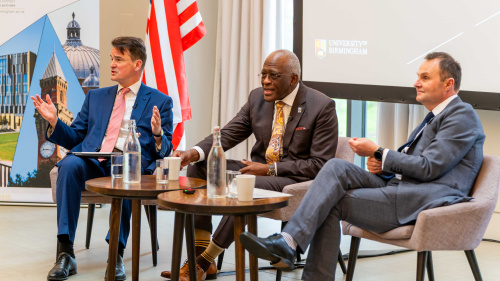
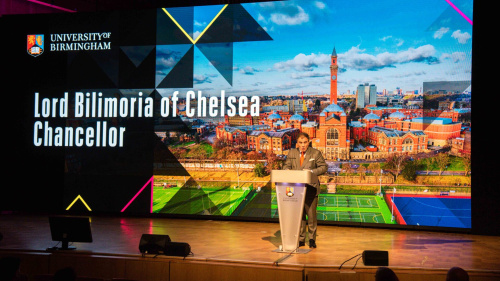
Events are unforgiving: fixed schedules, difficult indoor lighting, speakers who won’t stop moving, and no second takes. A photographer who mostly shoots portraits or weddings may produce lovely images and still miss the shots your marketing team needed. Look for a portfolio with real, recognisable events in it — and ideally venues like the ones you’re using.
2. Ask to see a complete event, not highlights
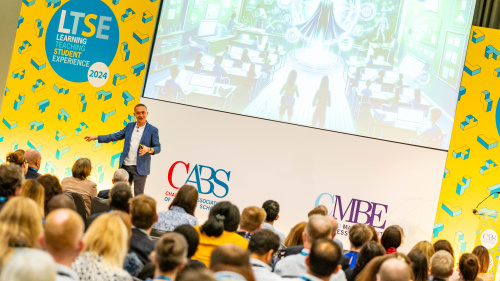
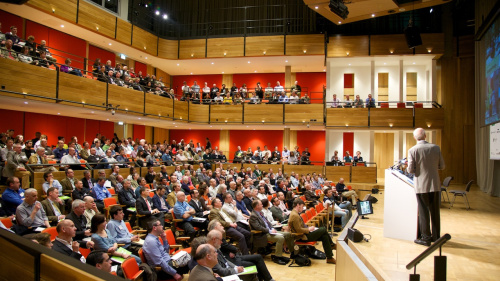
Any photographer can show you six strong frames. What tells you far more is a full gallery from a single event: arrivals, the keynote, the breakout sessions, the networking, the details. That’s how you judge whether someone can cover a whole day consistently rather than getting lucky a few times.
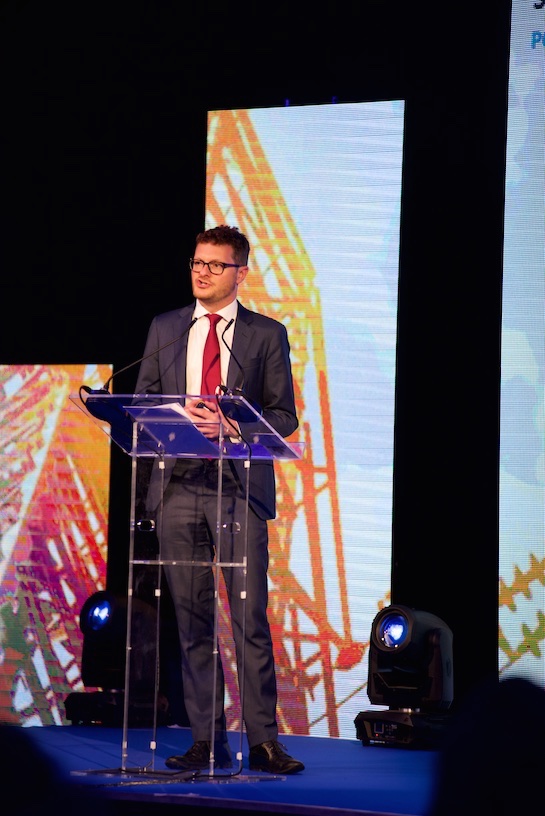
A full gallery shows you whether a photographer can cover an entire day, not just its highlights.
3. Be clear about turnaround before you book
This is the question most people forget until it’s too late. If your PR team needs images while the event is still trending, or the CEO wants something on LinkedIn that afternoon, a standard three-to-five-day turnaround is no use. Ask directly what’s possible — same-day delivery to a private gallery is something I offer, but it needs agreeing in advance so it can be planned into the day.
4. Confirm the practical details
Public liability insurance is often a hard requirement for venues, so check it exists before you get to the paperwork stage. Ask whether they carry backup cameras and cards, whether they’ve worked at your venue before, and — importantly — what licence you get with the images. Commercial use across your website, press releases and social channels should be explicit, not assumed.
The best event photographs look effortless — which usually means someone planned the day very carefully.Nicola Gotts
5. Talk to them before the day
A short conversation beforehand is the single best predictor of a good result. It’s where you agree the running order, the must-have shots, who the VIPs are, and how visible you want the photographer to be. If someone isn’t interested in that conversation, that tells you something. My approach to event photography starts with exactly that planning call.
See how event coverage works, from planning to same-day delivery.
Event Photography