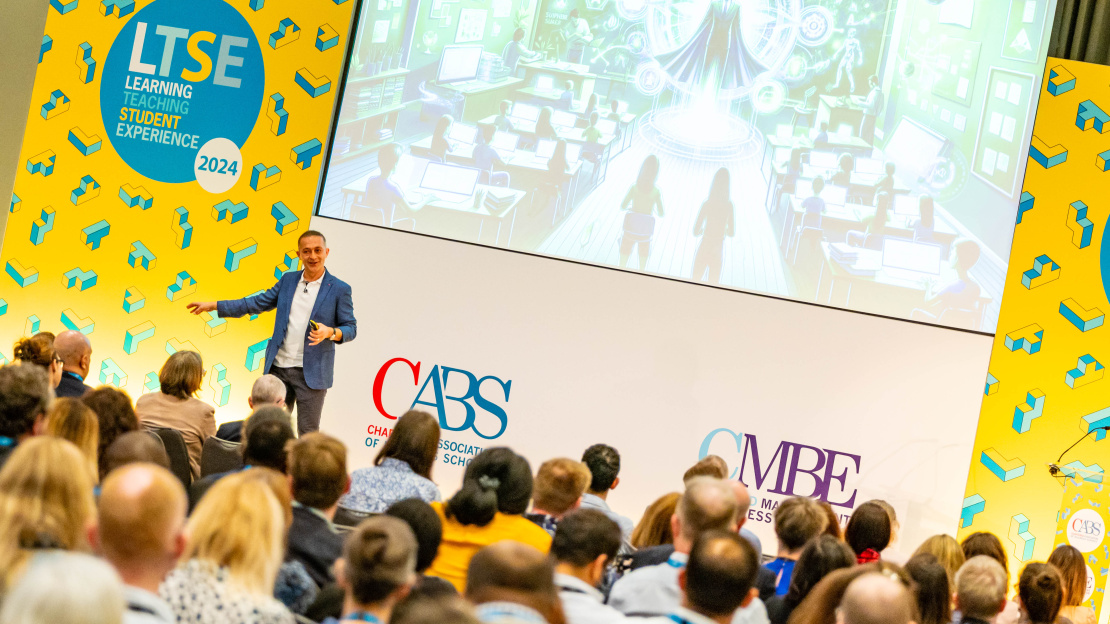
A conference is a long day with a fixed schedule, several rooms running at once and a marketing team who need images for next year's promotion. Covering it well is mostly a planning exercise.
At a glance
- Shoot speakers early — they're freshest and the room is fullest.
- Get the full-room shot before seats empty after lunch.
- Agree which breakout sessions matter; you can't cover them all.
- Sponsor banners and stands need photographing deliberately, not incidentally.
Speakers: early and often
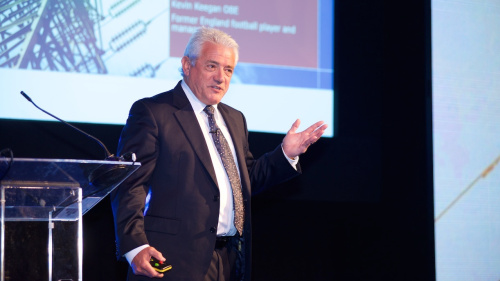
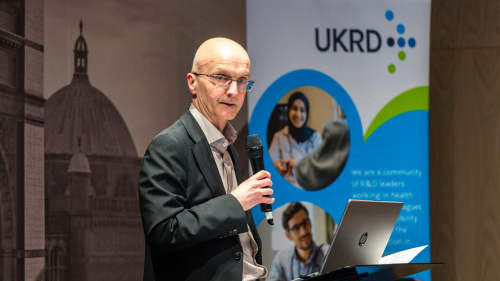
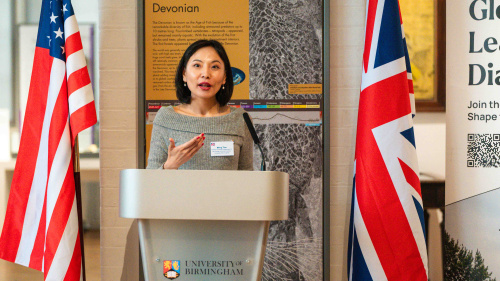
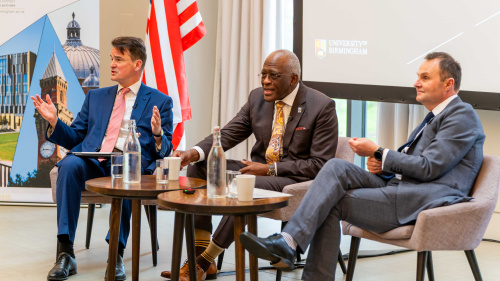
Speaker photographs are the backbone of conference coverage — they’re what goes on next year’s website and in the follow-up campaign. The best of them come from the opening sessions, while the room is full and speakers are fresh. A keynote photographed at nine looks considerably better than the last panel of the afternoon.
The full-room shot has a deadline
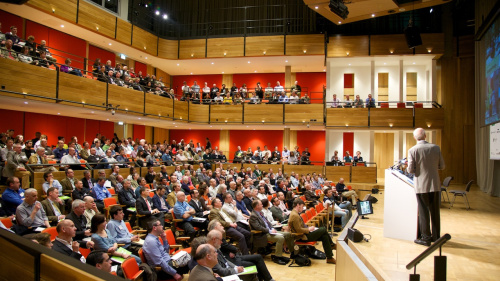
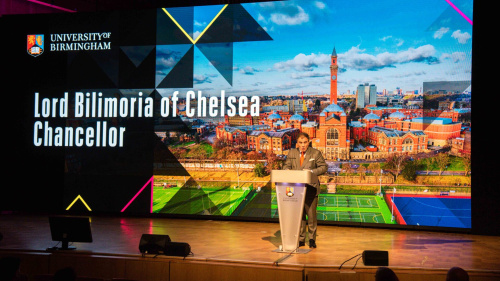
Every marketing team wants the wide shot showing a packed auditorium, and it’s only available in the morning. By mid-afternoon there are empty seats, and no amount of angling disguises it. That single image is usually the most reused photograph from the day, so it’s worth getting deliberately rather than hoping for it.
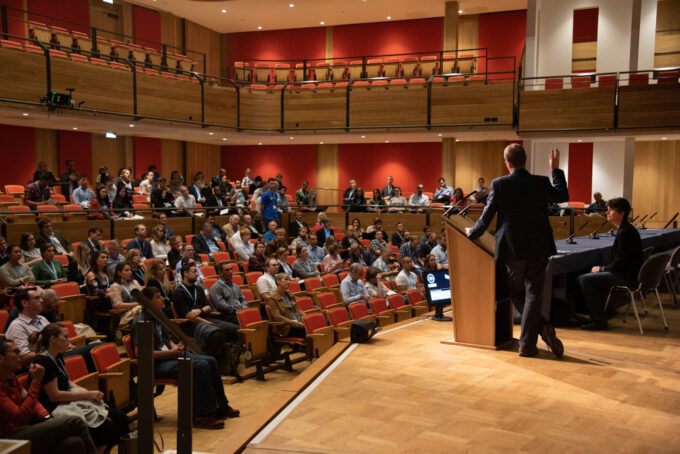
The packed-room shot is only available early — after lunch it’s a different photograph.
Breakouts: choose in advance
With four rooms running simultaneously, nobody can cover everything. Tell me which sessions matter — the ones with the notable speaker, the biggest audience, or the topic you’ll be promoting next year — and I’ll plan a route around the day rather than guessing between rooms.
Sponsors and exhibitors
Sponsors have usually paid for visibility and will expect evidence of it. Stands photographed while busy, banners in the background of well-composed shots, and any sponsored sessions covered properly. It’s worth listing beforehand who needs what, because it’s very hard to reconstruct once everyone has packed up.
Conference photographs are mostly bought a year in advance — for the next one.Nicola Gotts
Networking, breaks and the human bits
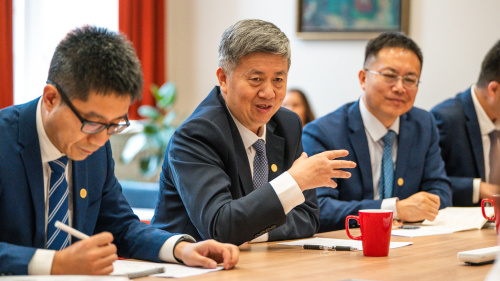
The queue for coffee is where a conference actually looks like a conference. Candid shots of people talking, badges, notebooks and full break-out areas do more to sell next year’s event than another photograph of a lectern. If your event also runs an evening dinner or awards element, that’s worth planning as its own piece of coverage. You can see how I approach conference photography across a full day.
Speakers, delegates and the whole day — see how conference coverage works.
Conference photography